
A neat printout is not enough evidence to buy a refurbished CBC analyser. The useful question is whether the particular instrument being offered can meet your laboratory’s defined requirements—and whether you can retain the evidence. A polished casing is welcome. It is not a performance report.
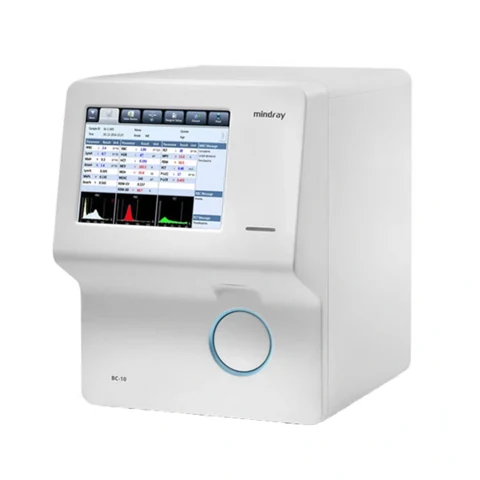
Identify the machine before booking the demonstration
Ask for the make, model, serial number, software version where relevant and a written description of its condition. “Refurbished” should lead to a list of work performed, not end the conversation. Request available service records, replaced components, outstanding faults and the scope of the warranty.
Match the serial number on the demonstration record to the unit in the quotation. If a supplier demonstrates a different instrument, record that limitation. Evidence from a showroom unit does not establish the condition of the one that will be delivered to your laboratory in Uganda.
Agree the evidence with your laboratory lead
Before the visit, have the laboratory’s qualified quality lead define the checks, materials and acceptance criteria appropriate to the exact model and intended examinations. Ask the demonstrator to show the applicable operating instructions and relevant maintenance records. Do not borrow numerical pass limits from an unrelated analyser.
Discuss background checks, suitable control materials and repeatability evidence where required by the approved protocol. Record reagent and control identifiers, expiry, relevant preparation conditions, date, operator and results. A statement that “QC passed” without the underlying record gives your reviewer little to assess. A satisfactory control run is one part of the evaluation, not proof of every performance characteristic.
Watch the workflow, including what happens after an error
Ask the operator to demonstrate routine start-up, sample identification, result review, flag handling, cleaning and shutdown using approved procedures. The laboratory should govern any specimen use and privacy arrangements; do not use patient samples casually for a sales demonstration.
Ask how an unsuccessful run is recorded and investigated. If repeat testing follows corrective action, keep the original result and the explanation rather than retaining only the best printout. Have the team demonstrate report retrieval and the intended printing or data-transfer arrangement, if included in the offer.
Leave with an evidence file and a decision
An illustrative decision record might say: “Instrument identified; demonstration witnessed; result transfer unresolved; acceptance pending laboratory review.” That is more informative than simply writing “working.” Separate completed checks, outstanding evidence and reasons for rejection.
WHO’s laboratory quality guidance requires laboratories to establish performance specifications and assess the validity of equipment results. Agree the installation and verification work required at your own site before clinical reporting. A pre-purchase demonstration does not replace that release process.
Request the exact unit and support scope
Send Exper your intended tests, approximate workload, preferred model, delivery town and the demonstration evidence you require. Ask for current options, consumables and acceptance support to be itemised. See our CBC analyser enquiry page and reagent running-cost guide.
Reference: WHO: validation of examinations and equipment, reviewed 6 November 2026.
Contact +256 756 789 821 or info.brandexper@gmail.com. Ask for current availability and written terms; Exper requires 100% payment before delivery.