
A donated analyser can have a purchase price of zero and still be too expensive to operate. Before a laboratory in Juba agrees to collect one, its manager needs an answer to a different question: can we deliver the intended tests after the first box of reagents is gone?
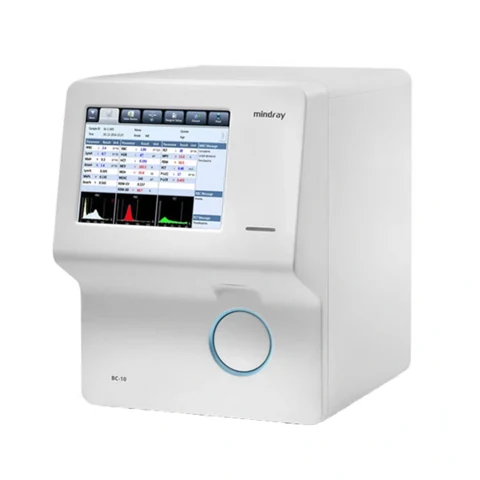
Ask the donor for an equipment file
Request the model, serial number, configuration, service history, reason for withdrawal and a list of what travels with it. Distinguish documents supplied from documents promised. Ask a qualified person to assess condition; a power-on photograph does not demonstrate analytical performance.
Use the laboratory’s test menu to check fit. A machine that duplicates an existing service but depends on a second reagent supply chain may be less useful than improving the equipment already in use.
Price the first working year, not just the journey
Build a worksheet with separate entries for packing, transport, installation, power or water requirements, compatible reagents, controls, calibrators where applicable, training and service. Ask for written quotations for the exact model. For each unpriced line, name the person obtaining the answer; do not enter zero.
As an illustration, a supplier may be able to quote reagents but not the controls required by the laboratory’s method. That is an unresolved operating requirement, not a reason to cross controls off the budget. Consider pack size and expiry against realistic workload.
Separate receipt from permission to report results
WHO’s laboratory quality tool treats procurement and reception as documented processes. Agree who checks the shipment against the packing list, who inspects for damage and who handles discrepancies. Before dispatch, clarify transport responsibilities and how the parties will respond if a critical accessory is absent.
On arrival, record the asset separately from its clinical release status. The laboratory quality lead should define installation, method verification, quality-control and staff competency requirements appropriate to that analyser. A signed delivery note is not a verification record.
Make a conditional decision
Write one of three decisions: accept, accept only when named conditions are met, or decline. For a conditional acceptance, specify the evidence, owner and deadline for each outstanding issue before committing transport funds.
For a quotation from Exper, send the analyser model, test menu, volumes, missing items and receiving location. Ask for support and consumables to be itemised separately so the donor and receiving laboratory can see who is funding each requirement.
Explore related Exper equipment and enquiries · Related guide: cbc analyser running costs reagents uganda.
Contact +256 756 789 821 or info.brandexper@gmail.com.
Technical reference: WHO laboratory equipment procurement and reception guidance (reviewed 3 November 2026).