
Ten beds arriving at the gate does not mean ten beds are ready for the ward. One may have a missing crank, another a damaged castor, and a third a mattress that does not match the order. The receiving team needs a record for each bed, not just a total on the delivery note.
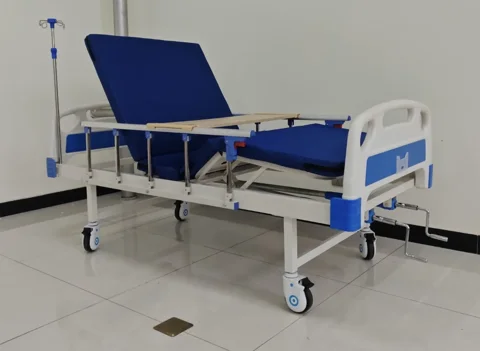
Prepare a bed-by-bed receiving sheet
For a hospital purchasing beds in Uganda, agree who will receive the shipment, who will assemble it and who will authorise ward use. Have the accepted quotation, packing list and manufacturer’s instructions available. Confirm safe unloading and room access before dispatch, particularly when beds arrive assembled.
Give each bed a temporary receiving number until its permanent asset label is assigned. Record the model, serial number if provided, carton references, mattress identity, accessories, visible condition and intended ward. Photograph discrepancies without including patients. This ties an issue to a physical bed even when several identical units arrive together.
Check the ordered package, not a catalogue photograph
Reconcile head and foot boards, rails, cranks or controls, castors, mattress and any separately ordered drip pole or accessory against the agreed list. Mark items as received, missing, damaged or awaiting confirmation. Do not assume every catalogue accessory is included.
Keep supplied fasteners and instructions with the correct bed. If assembly is required, have competent personnel follow the model-specific instructions. An unfamiliar leftover bracket is a question for the installer, not something to hide in the packaging.
Arrange functional and safety checks
Ask the qualified receiving team to check the manufacturer-specified movements, brakes, castors, attachments and locking functions. For powered beds, include the electrical and control checks required for that model. Do not improvise a load test with a member of staff lying on the bed.
Assess the configured bed with its actual mattress and rails. FDA guidance identifies entrapment hazards in gaps within a bed system; checking the frame alone is insufficient. Use the applicable manufacturer guidance and a qualified assessment, not an invented universal gap limit. The clinical team must separately decide whether rails are appropriate for an individual patient.
Record exceptions before the beds disappear into wards
As an illustrative example, bed U-04 may be complete but awaiting a brake repair, while U-05 has passed the agreed checks. Record different release statuses rather than marking the entire shipment “accepted.” Clearly identify and withhold unsuitable beds from use under the facility’s procedure.
Agree in advance what a delivery signature acknowledges. Record discrepancies promptly, with a named person responsible for resolution and a follow-up date. Keep the corrected inspection record when an issue is closed. Payment and technical acceptance are separate records; Exper’s terms remain 100% payment before delivery.
Make the enquiry include the handover
Send Exper the required bed type, quantities, mattress requirements, ward location and access details. Ask which unloading, assembly and handover activities are included or separately quoted. Browse hospital bed options and use our general delivery checklist for the wider shipment file.
Reference: FDA bed-system entrapment guidance FAQ, reviewed 6 November 2026. This is a technical reference, not a statement of Ugandan legal requirements.
Contact +256 756 789 821 or info.brandexper@gmail.com. Ask for current availability and written terms; Exper requires 100% payment before delivery.